Fast, organized scheduling
Turnovers rarely wait. We prioritize clear start dates, access coordination, and practical staging so other trades can keep moving.
Serving Tucson, Arizona & surrounding areas
Mon–Fri 8am–6pm · Sat 9am–2pm
Get a clear, documented remediation plan that protects your lease, shortens downtime, and supports faster tenant turnovers in Tucson.
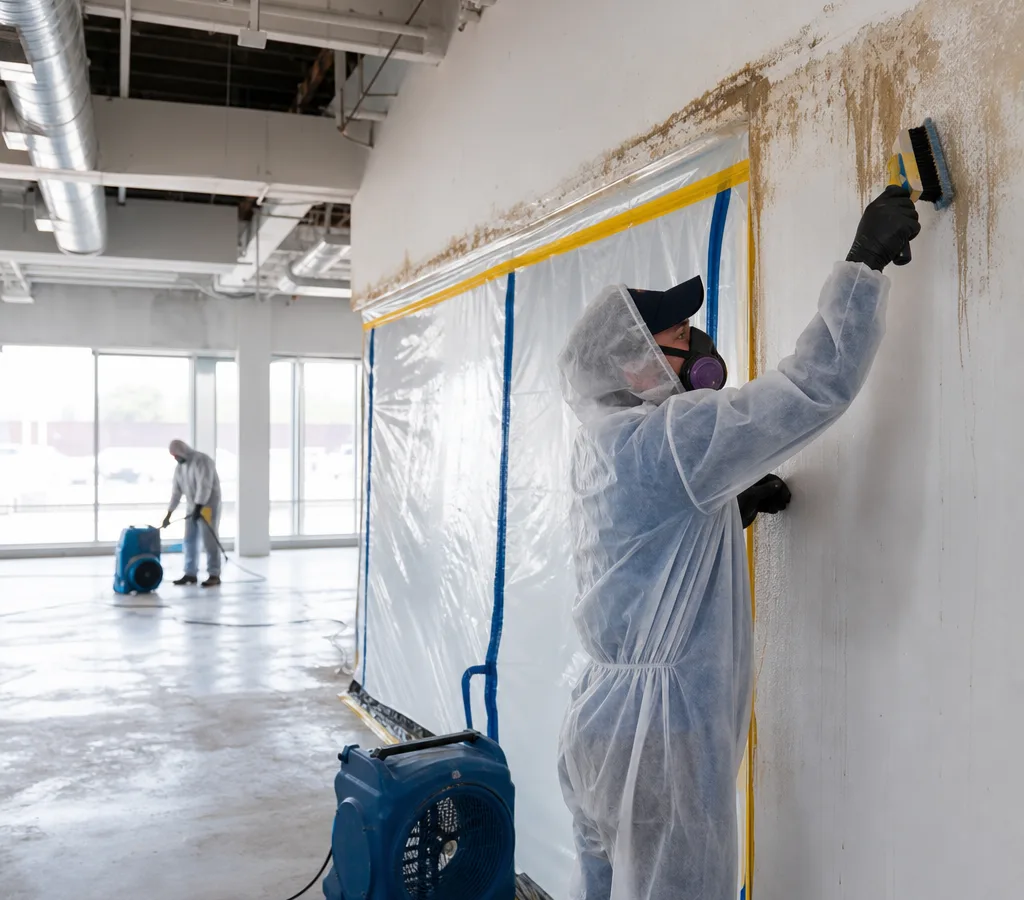
Commercial rental mold removal Tucson projects move on a different timeline than owner-occupied work. You may be racing a lease start date, a build-out, a brokerage showing schedule, or a move-out deadline. At the same time, you need documentation that shows what was found, what was removed, and what conditions were corrected so the issue does not return.
Tucson Mold Removal works with property managers, landlords, and commercial tenants to remediate mold in offices, retail suites, light industrial spaces, and multi-tenant buildings. The priority is simple: control the spread, remove impacted materials correctly, dry what can be saved, and leave the space ready for the next trade—or the next tenant—with a written scope and completion notes you can file.
If you are still in the evaluation phase, start with Tucson mold inspectors to confirm the extent of growth and moisture sources before authorizing remediation.
A commercial rental setting often has shared walls, shared ceilings, and shared HVAC pathways. That means mold work needs tighter controls and a plan that fits the building.
Typical scope items include:
In Tucson’s commercial stock, we often see issues that track back to roof leaks, past plumbing failures in restrooms or break rooms, and condensation around air handlers or supply lines. The fix is rarely just surface cleaning. It is containment, removal, drying, and addressing the underlying moisture pathway so you can turn the space with confidence.
Turnovers rarely wait. We prioritize clear start dates, access coordination, and practical staging so other trades can keep moving.
Multi-tenant buildings need strict controls to keep dust and spores out of hallways and neighboring units.
You get documentation that supports compliance conversations, internal records, and lease file requirements.
We plan around returns, supply registers, and air handlers to reduce cross-contamination risk during work.
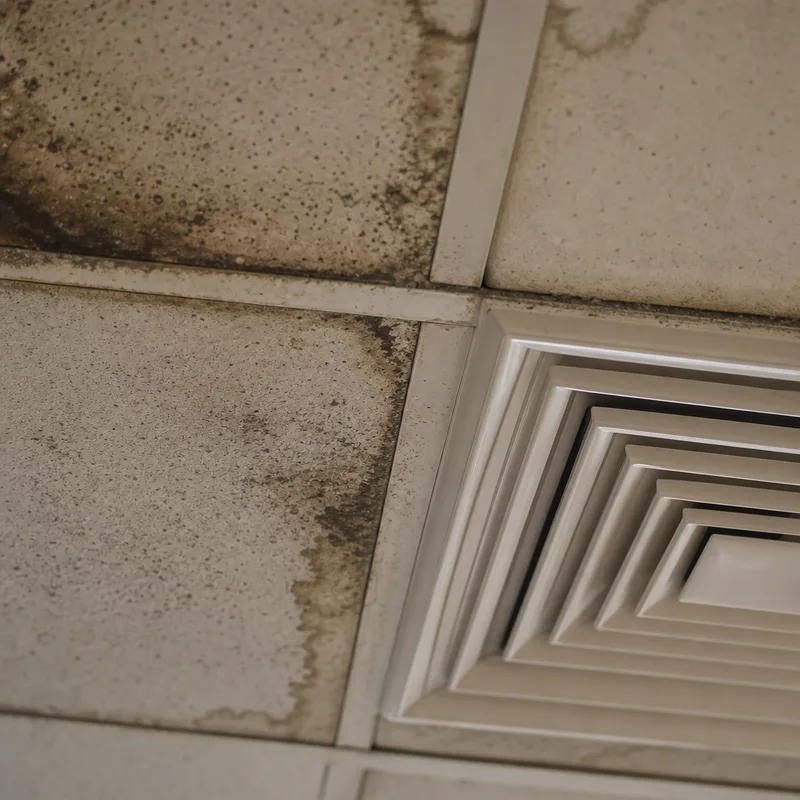
Commercial spaces often use modular finishes such as ACT ceiling tile, VCT, FRP, and vinyl base. We focus on what must be removed versus what can be cleaned and dried safely.
A coordinated sequence keeps access, containment, remediation, moisture correction, and turnover documentation aligned.
We gather the basics that drive schedule and scope: suite type, vacancy status, known water events, who controls building access, and any after-hours constraints.
We identify affected materials and likely moisture sources—roof, plumbing, HVAC condensate, or exterior intrusion—and map out containment placement to protect common areas and adjacent suites.
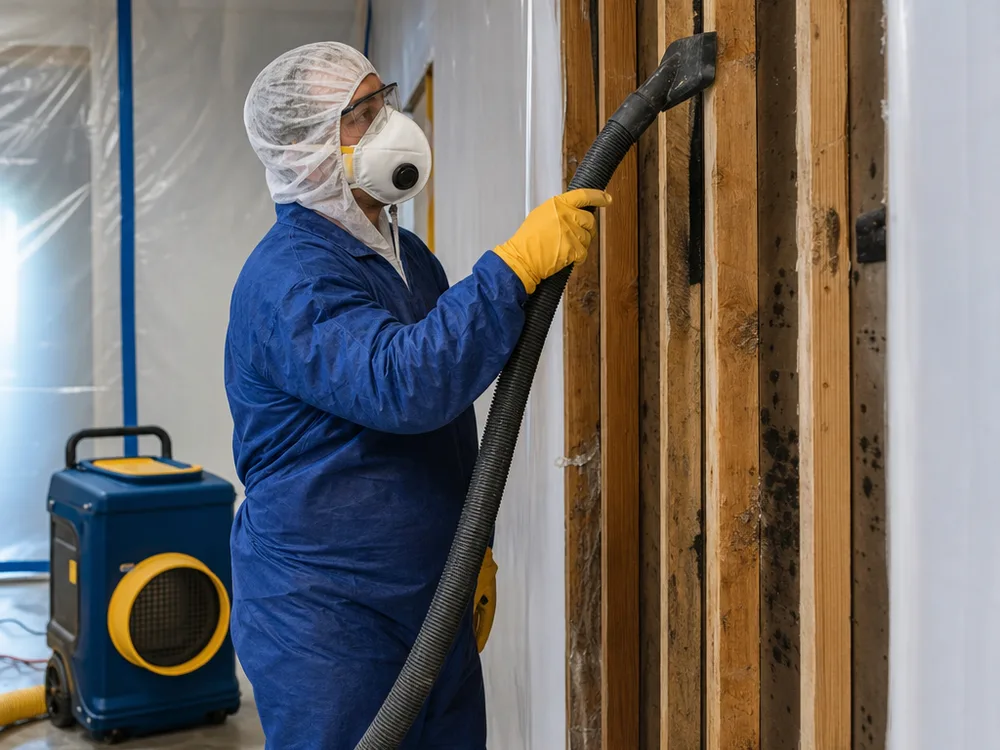
Impacted porous materials are removed under containment. Remaining framing and non-porous surfaces are cleaned using HEPA methods and appropriate antimicrobial products based on the materials present.
Drying equipment is used when needed, and we coordinate with your plumber, roofer, or HVAC contractor when the source requires a licensed specialty trade.
We provide a clear description of what was done, what was removed, and the conditions that need to remain corrected—such as maintaining HVAC drainage or repairing roof penetrations—so the next tenant does not inherit the same problem.
Most commercial rental mold removal in Tucson typically ranges from about $1,500 to $7,500+, with small, contained areas—for example, limited drywall or ceiling tile removal—often landing in the lower end and multi-room or HVAC-involved projects running higher. Pricing depends on the square footage and materials affected, how much demolition is required, ceiling height and access, operating-hours constraints, and whether moisture correction work is needed before closeout. The exact cost is confirmed after an on-site evaluation with a written scope.
REQUEST EMERGENCY SERVICE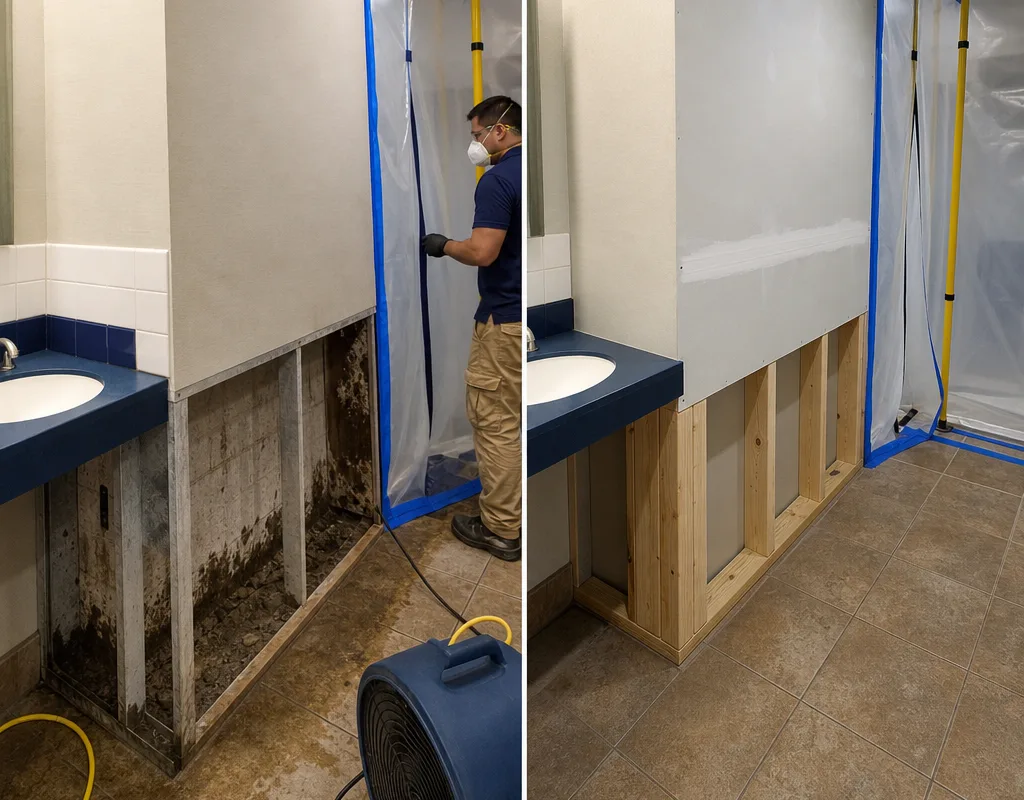
If you need the space back in service quickly, start with an on-site evaluation and a written scope so scheduling, trades, and lease timing stay aligned.
Call for a Free EstimateStraight answers about turnover timing, tenant disruption, HVAC coordination, documentation, and the causes of commercial mold.
Many commercial suites can be ready for build-back or finish work within 1 to 3 days after remediation, but the timeline depends on how much material must be removed and whether drying is required. A small drywall or ceiling-tile scope can move quickly, while a plumbing leak that soaked multiple walls or a recurring roof intrusion can extend the schedule until the moisture source is corrected and materials are dry.
Yes, after-hours and weekend work is often possible for multi-tenant buildings where daytime containment set-up, noise, or debris movement would impact neighboring suites. Scheduling depends on building access rules and what the scope requires, but we plan containment and debris handling around the realities of shared corridors and loading areas.
We address HVAC-adjacent contamination risks, including returns, supply registers, and air handler areas, and can coordinate next steps when the HVAC system itself needs specialized cleaning or repair. In commercial buildings, the best outcome usually comes from pairing remediation with the HVAC contractor who maintains that equipment, especially when condensate drainage or insulation issues contributed to the problem.
You receive a written scope describing affected areas, the containment approach, what materials were removed, what surfaces were cleaned, and any conditions that must be corrected to prevent recurrence. For commercial turnovers, this is useful for internal records, tenant communications, and showing that the work followed a controlled process rather than a quick surface clean.
In Tucson, common drivers are roof leaks during seasonal storms, plumbing leaks in restrooms or break areas, and condensation issues around HVAC equipment or lines. Commercial suites can also hide old water damage above drop ceilings or inside wall cavities, which is why evaluation often includes checking behind base, around penetrations, and near known past repairs.
For commercial rentals, it depends on the location and size of the affected area and whether containment can fully isolate the work. A contained, closed-off back room may allow business to continue, while open-plan spaces or shared-air pathways often require partial closure or temporary relocation to keep occupants away from the work zone and maintain indoor air quality.
Tell Tucson Mold Removal what type of space you manage and what deadline you are working toward. We will outline the likely scope, the containment plan, and the fastest path to getting the suite back to rentable condition.