
A persistent musty odor in one area
A consistent earthy smell in a specific room, closet, or cabinet run often points to growth behind the surface, especially if it gets stronger when the AC turns on or after humid weather.
Serving Tucson, Arizona & surrounding areas
Mon–Fri 8am–6pm · Sat 9am–2pm
Pinpoint the moisture source before any work starts. If something smells off, allergies flare indoors, or paint is bubbling, we document what we find and lay out the next safe step.
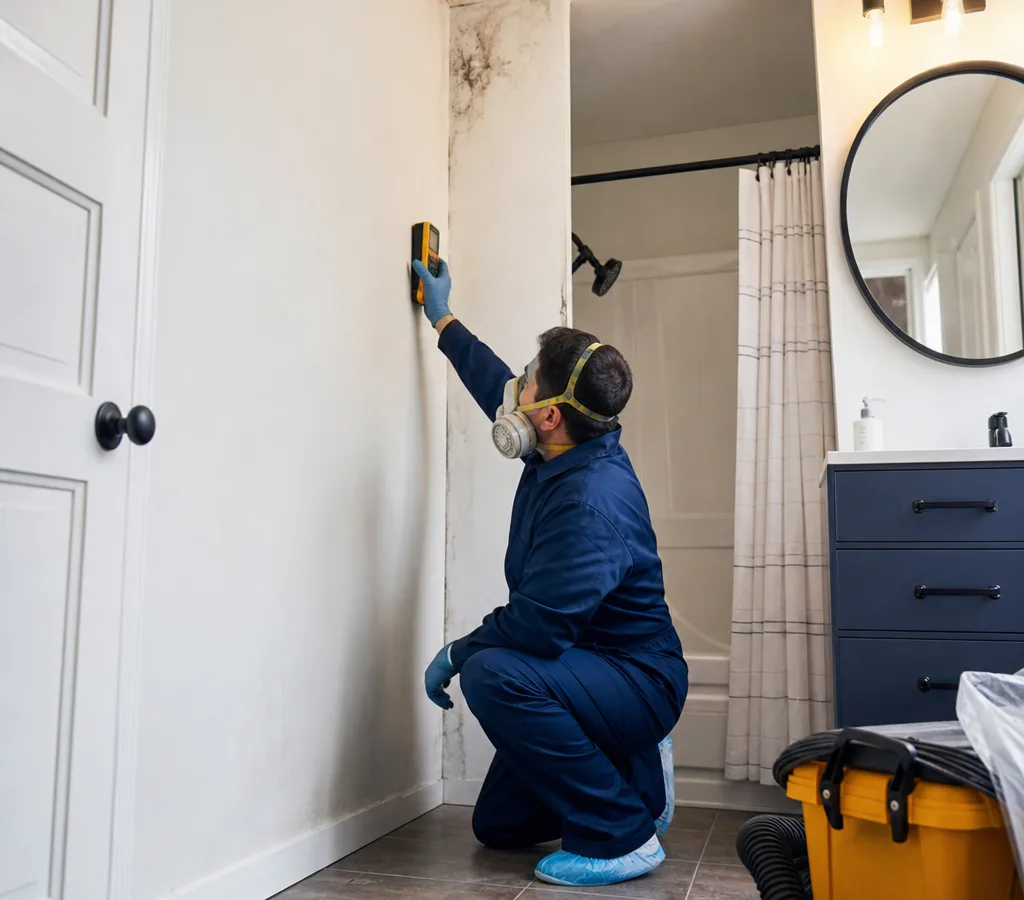
Searching for signs of hidden mold Tucson homeowners can trust usually starts the same way: a musty odor that will not leave, a room that feels clammy, or health symptoms that improve when you are away. Hidden mold is often not visible because it grows where moisture lingers, such as inside wall cavities, under flooring, behind cabinets, or around HVAC components.
In Tucson, moisture problems tend to be intermittent instead of constant. A small plumbing leak can sit unnoticed for months. Monsoon storms can push wind-driven rain into weak spots around windows, doors, and roof penetrations. A poorly draining AC condensate line can keep a closet wall damp. When the source is hidden, cleaning a visible spot does not solve the problem, and the odor or staining returns.
Tucson Mold Removal helps local homeowners confirm whether mold is present, identify the moisture source that is feeding it, and understand what remediation would actually involve. If you are still at the decision stage and want a broader look at inspection options and what documentation to expect, Tucson mold inspectors are a helpful starting point.
A consistent earthy smell in a specific room, closet, or cabinet run often points to growth behind the surface, especially if it gets stronger when the AC turns on or after humid weather.
Recurring stains, bubbling paint, peeling drywall tape, or soft spots can indicate moisture inside the assembly. If you repaint and it comes back, the water problem is still active.
Cupping or swelling along the edges of laminate or wood, or baseboards pulling away from the wall, commonly tracks back to a slow leak at supply lines, drains, or a slab-edge intrusion.
More sneezing, coughing, itchy eyes, or headaches at home—especially in one room—can be a clue. It is not proof by itself, but it is a reason to inspect when combined with moisture indicators.
Foggy windows, sweating duct boots, or condensation on supply vents can mean humidity is building up indoors or cold surfaces are meeting warm air. That moisture can feed growth inside cavities.
If a moisture meter shows elevated readings in drywall or trim without an obvious spill or leak, it is a strong indicator of a hidden moisture pathway that needs to be traced.
Hidden mold is usually a moisture detective problem first. The goal is to verify two things: where the moisture is coming from and what materials are affected.
Common hiding places we see during investigations include:
We typically start with a careful visual assessment and targeted moisture mapping of walls, ceilings, and flooring transitions. When conditions warrant it, we use non-invasive thermal imaging to locate temperature patterns consistent with moisture, then confirm with moisture meters. If an area needs confirmation beyond surface readings, we discuss the least disruptive way to access and document the affected cavity.
Because Tucson housing includes a mix of slab-on-grade homes and older properties with varied remodel histories, we focus on building-specific clues: plumbing runs, past repair patches, and how air is moving through the home. Areas like Oro Valley and Marana often have newer construction with tight envelopes where a small condensate issue can show up quickly as indoor humidity and odors. Central neighborhoods with older plumbing and multiple renovations can have hidden leaks at transitions where materials changed over time.
If you already know you have visible growth and need the next step, mold removal in Tucson may be part of a complete plan, but inspection and moisture source identification still drive the scope.
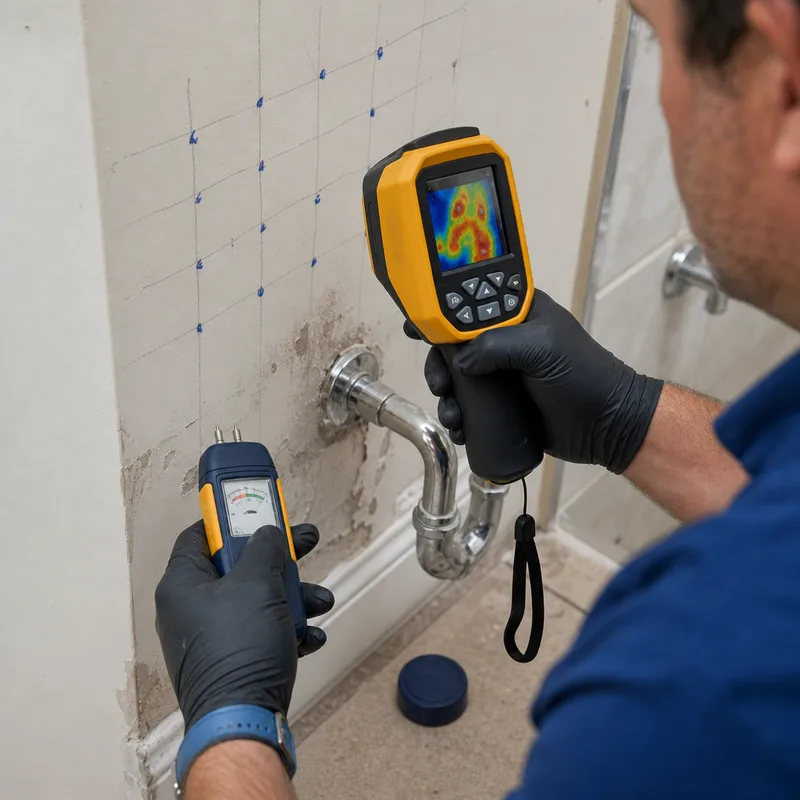
A focused sequence connects the warning signs to the moisture source, documented findings, and a practical next step.
We start with the timeline: when the odor or symptoms began, which rooms are affected, and whether it tracks with AC use, storms, or recent plumbing work.
We check likely entry points and water sources, then take systematic moisture readings so we are not guessing based on one spot.
A remediation plan is only as good as its source control. We look for leaks, condensate issues, and pathways that could be wetting the assembly after rain events.
You get a clear explanation of what is affected, what is not, and what needs to happen next. If removal is needed, we outline containment needs and material-removal boundaries.
When remediation is appropriate, we plan around occupant safety, access, and what needs to be repaired after the affected materials are removed and dried.
Hidden mold detection in Tucson typically ranges from about $250 to $650 for a standard home inspection focused on a few concern areas, while larger homes, multiple suspected zones, or more complex moisture tracing can run $650 to $1,200+.
Final price depends on how many rooms are involved, whether access is straightforward, how much moisture mapping is needed, and whether additional documentation is requested. The most accurate number comes after an on-site visit where we can see the layout, confirm the likely source, and define exactly what testing or inspection steps are appropriate.
“We had a musty smell that came and went for months. They traced it to a slow leak behind the vanity wall and showed us the moisture readings so it finally made sense.”
“What I appreciated most was that they focused on the source. The first question was where the water was coming from, not just where the stain was.”
Straight answers about musty odors, hidden moisture, common causes, cleaning, and what to do next.
A musty smell is a strong clue, but it is not proof by itself. Odors can come from damp building materials, dirty HVAC components, or past water events that never fully dried. The practical next step is moisture mapping and a targeted inspection to see whether conditions for growth exist and where they are concentrated.
The most common causes are slow plumbing leaks, AC condensate drain issues, and rain intrusion at weak exterior details. Tucson's humid monsoon periods can reveal problems fast, but hidden moisture can also come from year-round sources like supply lines, shower valves, or a repeatedly wet wall from condensate.
Yes, mold can grow inside wall cavities before the surface shows any discoloration. Drywall can look normal while insulation, paper backing, or wood framing is damp inside the assembly. That is why moisture readings and targeted confirmation matter when the smell or symptoms are localized.
Cleaning a visible spot does not address hidden growth or the moisture source, and bleach is not appropriate for many porous materials. If you suspect hidden mold, focus first on stopping the water source and getting a professional assessment so the scope is based on what is actually affected.
For an inspection, most homeowners can stay in the home because we are primarily assessing conditions and documenting findings. For remediation, it depends on the affected area, the size of containment, and whether sensitive occupants are present; we explain precautions and access needs before any work starts.
You should act as soon as you notice recurring moisture indicators, persistent odor, or a new stain that grows. The sooner the moisture source is found and corrected, the smaller the affected area usually stays. Even if remediation is not immediately required, confirming the source quickly helps prevent further damage.
Share what you are noticing—odor, staining, where it shows up, and when it started. We will schedule a focused inspection, confirm whether hidden mold is likely, and explain what a safe plan looks like for your Tucson home.